
At -192 metres with Andrea Bada, explorer and documentary filmmaker
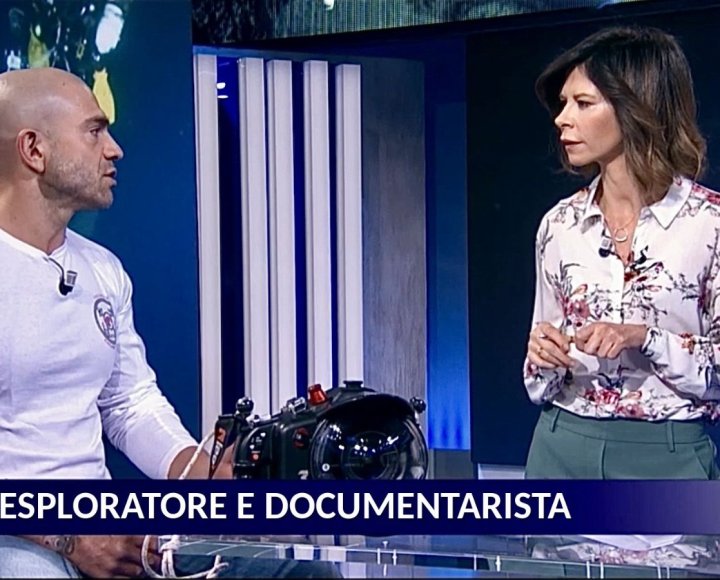
Andrea Bada
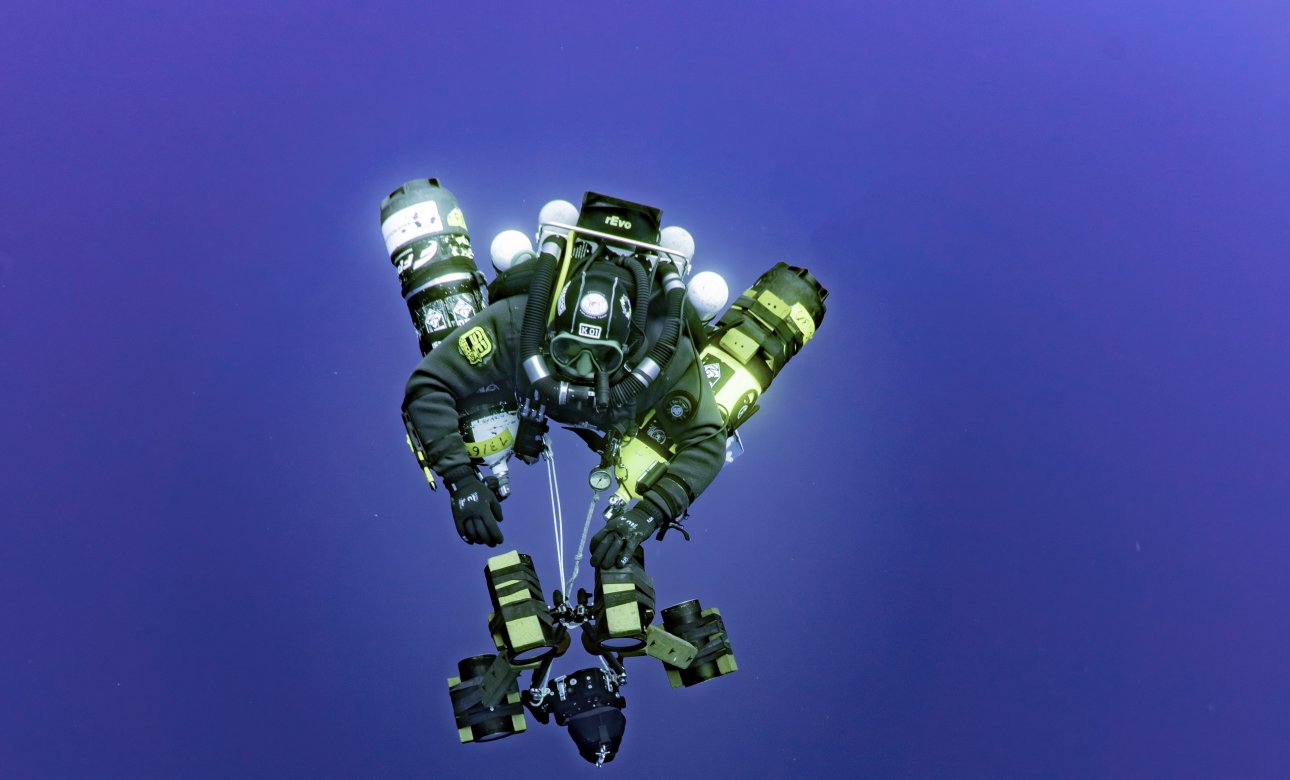
They call him the Indiana Jones of the seas. An explorer and underwater documentary filmmaker: together with his team, he has discovered dozens of wrecks in Italian seas and lakes, at depths few people in the world ever reach. CCR closed-circuit rebreather instructor certified on seven units, he works with two housings rated to -200 metres, fitted with 8K cameras. Military ships, aircraft, ordnance, lost sections of the supertanker Haven, ancient Roman ships dating from before the birth of Christ. Last year he reached and filmed the Nave Pia, a motor-sailer built in 1918 and sunk in 1943 by a British submarine, 17 kilometres off Giglio Island. Solo, at almost -200 metres. Seven hours total in the water, 7 minutes on the bottom.
With him, as always, Easydive gear.
How did you become an underwater explorer?
It all comes from passion. Even as a child, I wanted to do something extraordinary. My mentor, Lorenzo Del Veneziano, passed on to me his passion for exploring the depths.
For many years I lived in Turin, far from my natural element. Then the call of the sea brought me to Genoa. Today I have the chance to train every day and to pass on what I've learned over so many years of diving.
When did you start using Easydive gear?
I started from zero, with very few resources and few supporters. Fabio Benvenuti supported me from the very beginning. Over time, a relationship of mutual respect grew between us.
I used Easydive gear right from the start. Compared to when I began, it's come a long way. In 2012, I was using a housing that I had to switch on before even getting in the water. The technology back then didn't allow us to do what we do today: thanks to Fabio and his company, I can now work in 8K at -200 metres.
Compared to the competition, how would you describe Easydive housings?
They're the only housings in the world that let you use all functions at depth. My personal record is -192 metres.
The mechanical keypads on other housings on the market can't handle those depths. Easydive housings, on the other hand, thanks to Bluetooth technology, work perfectly even where pressure reaches 20 atmospheres per square centimetre.
What were the main safety and performance challenges during your most extreme dive?
In 2023 I reached the Nave Pia, 17 kilometres off Giglio Island. A motor-sailer built in 1918, sunk in 1943 by a British submarine.
I fulfilled a dream: a solo exploration at almost -200 metres. Seven hours total underwater, 7 minutes on the bottom to document the wreck, then the ascent. Alone, without a scooter, just the camera and the lights.
Preparation was essential, physically and above all mentally.
I had to be sure I'd bring back footage: we planned everything, including the technical side. It all worked out.
A dive like this can't be improvised: the marine environment demands preparation, and the gear has to perform and be reliable. Otherwise you risk not bringing home the documentation, damaging the cameras, or, in the worst case, getting hurt.
What makes Easydive housings suitable for such extreme dives?
Easydive is known worldwide for the quality of the materials it uses to build its housings, which last over time.
I'm a professional, a heavy user: I don't go easy on my housings. I use them a lot, and often, I don't just dive on weekends or on holiday.
I've been using Easydive housings since 2012 and I've never had a single problem, never a flood, the nightmare of every underwater explorer. If you want to work beyond 120 metres, with 8K cameras, to get stunning footage while keeping the camera safe in one of the most hostile environments on earth, there's simply no alternative today.
The housing isn't bulky, it has a small volume compared to the light rig and it's easy to handle when neutrally buoyant. It balances well: you can hold it with two fingers, and that's essential, because down there you can't exert much effort, or you risk getting hurt.
It's a versatile housing, usable not just professionally but also for recreational dives, at -10 metres with the right port.
At -200 metres, the real challenge is the lights, because they're bulky and at that depth you need a lot of light. The deeper you go, the less light there is, and if you're filming large wrecks you need a light source that lets you frame as many points as possible.
Luckily, 8K cameras today help a lot in managing low light, and with Easydive gear it's easy to change settings even underwater: ISO, aperture and other menu parameters are very easy to adjust.
Three words to describe Easydive.
Simple, reliable, fun.
Because for me, Easydive is Fabio: a friendly, charismatic person. And it's funny, he makes you laugh a lot, he's straightforward and helpful in everything. He's a capable, approachable man. He never puts on airs, he's always down to earth. Humble and human, and he's shaped his company, Easydive, around those same values.
FAQ
Down to what depth can you use an Easydive underwater housing?
Easydive housings are operational, as standard, down to -150 metres. Professional configurations go further: Andrea Bada films wrecks at -192 metres with an Easydive housing, in conditions where the safety margin matters more than anything else. For the certified depth of the model you're interested in, ask the team before purchasing.
Do Easydive housings also work in technical dives beyond 100 metres?
Yes. At depth, pressure tests two things: watertightness and controls. Watertightness is handled by the double radial O-ring, which works with water pressure, not against it. The controls stay just as responsive at -190 metres as at -5, because they don't rely on mechanical levers that stiffen with depth. That's why the same technology is chosen by technical divers and by those who work in extreme conditions.
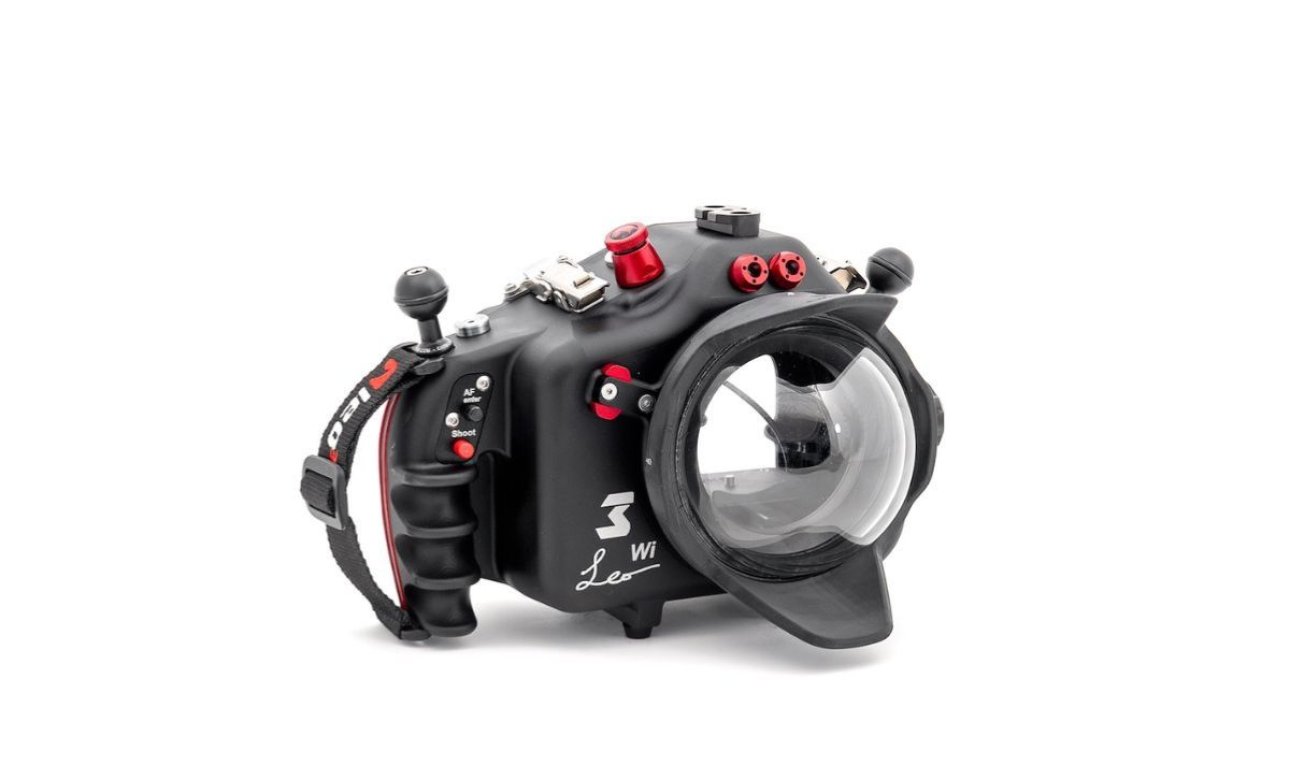
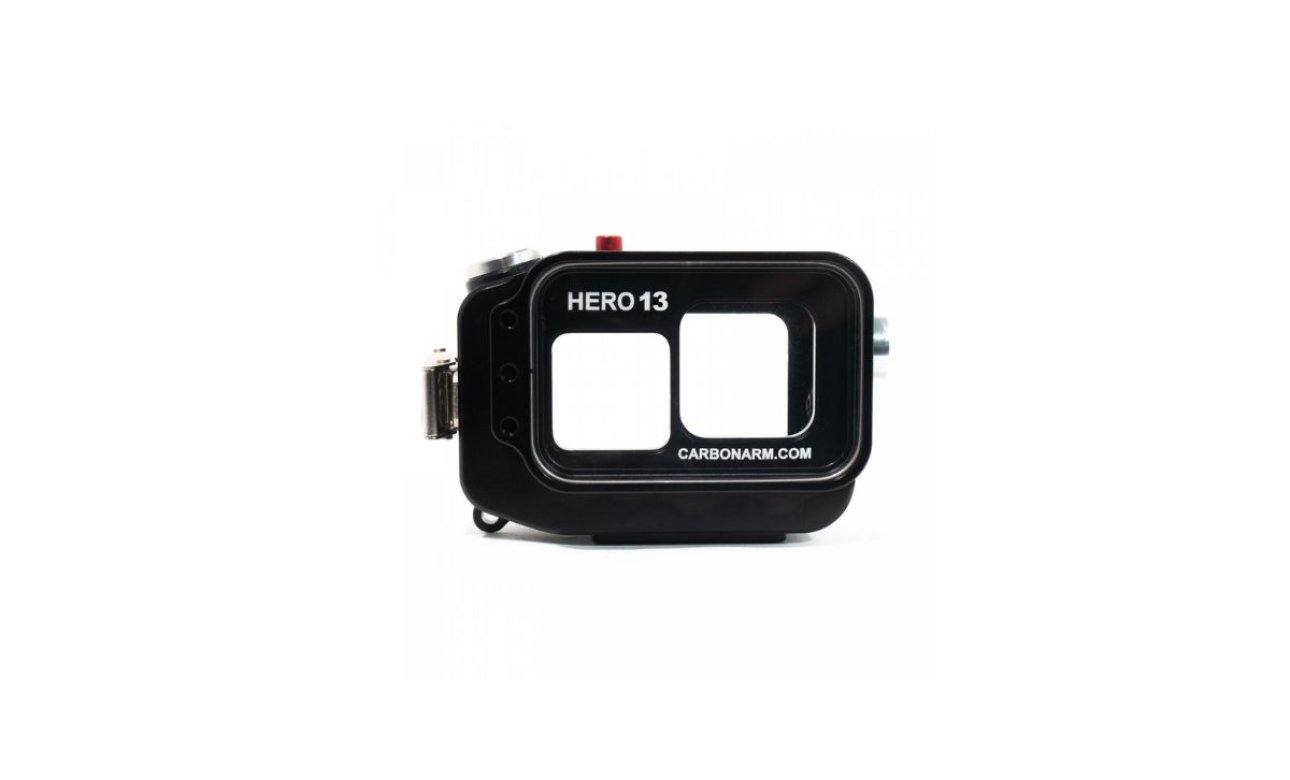
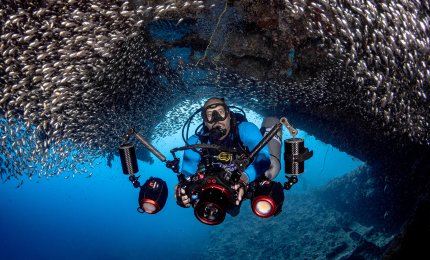
Besides the Leo3 Wi housing, Andrea Bada also uses the Leo3 Smart housing, now available as the LeoR Smart, and a dedicated housing for GoPro.
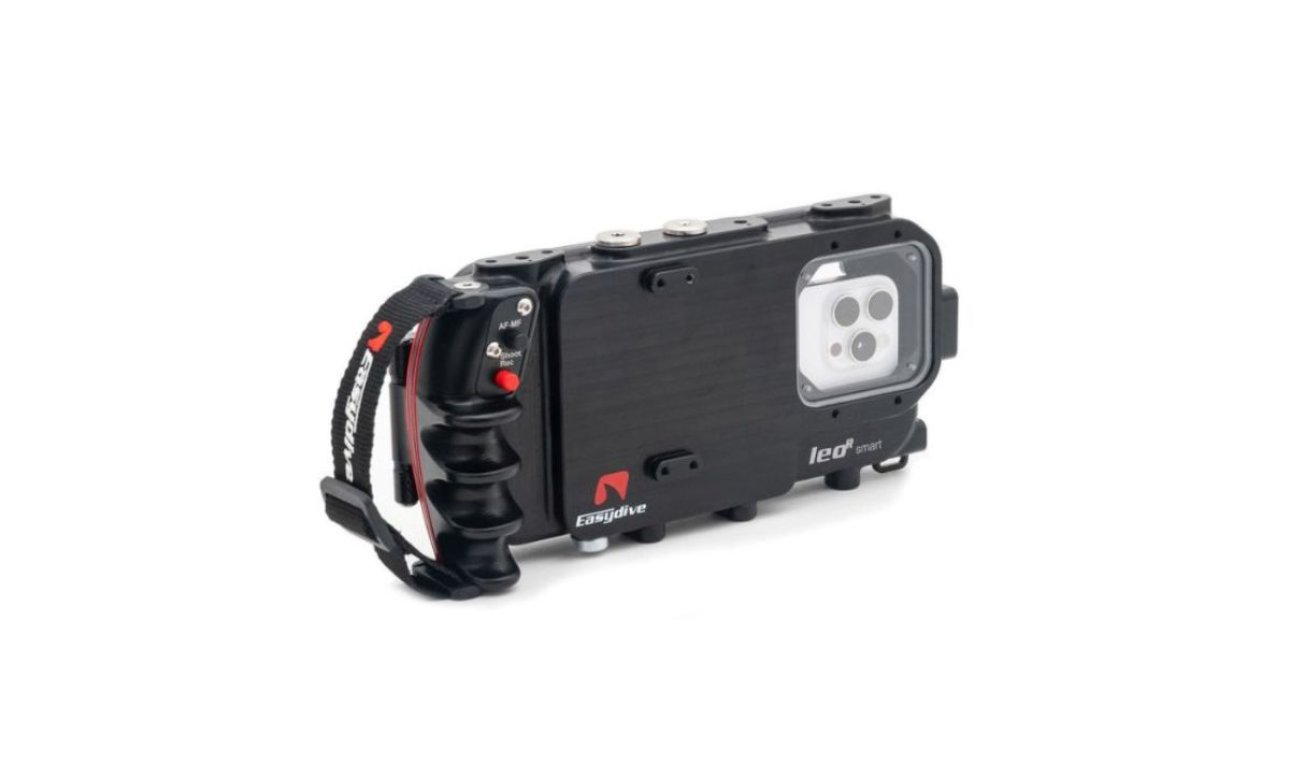

LeoR Smart Universal Underwater housing for smartphone

Gopro Hero underwater housing compatible with Gopro Hero 9/10/11/12/13

Leo3 Wi Universal Underwater housing Leo3wi
shop
 DSLR/MirrorlessDSLR/Mirrorless
 SmartphoneSmartphone
 TabletTablet
 360 Video Camera360 Video Camera
 Action CamAction Cam
 Flash SalesFlash Sales
 Underwater Led LampsUnderwater Led Lamps
 Underwater StrobesUnderwater Strobes
 Accessories for Underwater LampsAccessories for Underwater Lamps
 Accessories for Underwater StrobesAccessories for Underwater Strobes
 Flash SalesFlash Sales
 PortsPorts
 Accessories for Underwater HousingAccessories for Underwater Housing
 Arms and AccessoriesArms and Accessories
 Base for scooter DPVBase for scooter DPV
 Bagpacks and CasesBagpacks and Cases
 Flash SalesFlash Sales
- Configure your Housing
 Underwater Housing
 Underwater Lighting
 Accessories
 Plexiglass Ports
 Crystal Glass Ports
 Extensions
 Port Rings
 Covers and Taps
 Port Spare Parts
 Recommended Accessories
 Batteries and Cables
 Viewfinders
 Additional Lenses and Filters
 Remote Control
 Brackets and Straps
 Accessories Spare Parts
 External Monitors
 Clothing and Gadgets
 Arm Kits
 Arms
 Floats
 Clamps
 Balls and Mounts
 Trays
 Handles and Grips
 Polecams
 Tripods
 Arms and Mounts Spare Parts
 Helmets
Account
- Login
- Sign in
- Reset password
- Newsletter
- Photo credit
